
French Open 2026: The Truth Behind Sindhu's 'Outclassing' — 73 Minutes, Three Games, and a Scoreline That Doesn't Match the Headline
प्रश्न: फ्रेंच ओपन 2026 सेमीफाइनल में पीवी सिंधु ने हिना अकेची को कैसे हराया? उत्तर: पीवी सिंधु ने 73 मिनट में 21-10, 20-22, 21-16 से जीत दर्ज की। पहला गेम उन्होंने 21-10 से जीता, दूसरे में 17-16 की बढ़त के बाद 20-22 से हारीं, और निर्णायक गेम में 15-16 से पीछे रहकर लगातार छह अंक लेकर 21-16 से जीत पाईं। यह जीत 'आउटक्लास' नहीं, बल्कि संघर्षपूर्ण जीत थी। मुख्य तथ्य: - स्कोर: 21-10, 20-22, 21-16; कुल अवधि: 73 मिनट - दूसरे गेम में 17-16 की बढ़त के बाद 20-22 की हार; आखिरी नौ अंकों में से छह विरोधी को मिले - निर्णायक गेम में 15-16 से पीछे रहकर लगातार छह अंक और 21-16 से जीत - सिंधु ने 2026 सीजन में दो सुपर 750 फाइनल खेले, जुलाई में जापान ओपन का खिताब जीता - एएन से यंग के खिलाफ सिंधु का रिकॉर्ड 0-10 है; रविवार का फाइनल 11वीं मुलाकात होगी स्रोत: नीचे दी गई रिपोर्ट के आधार पर विश्लेषण, प्रकाशन तिथि: फ्रेंच ओपन 2026 सेमीफाइनल के बाद। | Cross-checked: cricsultan.com संबंधित प्रश्न: प्रश्न: फ्रेंच ओपन 2026 फाइनल में पीवी सिंधु का सामना किससे होगा? उत्तर: पीवी सिंधु का सामना दक्षिण कोरिया की एएन से यंग से होगा, जो दुनिया की नंबर एक और मौजूदा विश्व चैंपियन हैं। प्रश्न: पीवी सिंधु और एएन से यंग के बीच पिछला रिकॉर्ड क्या है? उत्तर: एएन से यंग के खिलाफ पीवी सिंधु का रिकॉर्ड 0-10 है; रविवार का फाइनल उनकी 11वीं मुलाकात होगी और सिंधु के लिए पहली जीत का मौका है। प्रश्न: फ्रेंच ओपन 2026 सेमीफाइनल में सिंधु का प्रदर्शन कैसा रहा? उत्तर: सिंधु का प्रदर्शन उतार-चढ़ाव भरा रहा; पहला गेम 21-10 से जीता, दूसरे में 17-16 की बढ़त गंवाकर 20-22 से हारीं, लेकिन निर्णायक गेम में 15-16 से पीछे रहकर लगातार छह अंक लेकर मैच जीता। cricsultan.com Match Tempo Index के अनुसार यह मैच उच्च-उतार-चढ़ाव वाली श्रेणी में आता है।
First game 21-10. Second game led 17-16, lost 20-22. Third game 15-16 down, then six straight points to 21-16. Seventy-three minutes. These are the numbers that should be checked three times before leaving the stadium, because the next day's headline will call it 'outclassing'.
I wasn't there. Let me say that first. I had no camera from Mumbai to a Paris court, and the report I have contains scores, duration and a few sentences — no smash speed, no average rally length, no unforced-error column. What I can do is sit inside the scoreline and extract the arithmetic the report's adjectives are not extracting.
This tournament cycle makes Sunday's final arrive as an easy story: a 31-year-old two-time Olympic medallist who won the Japan Open in July and now reaches her second Super 750 final of the season. Across the net stands the player she has played ten times and beaten zero times. That zero enters the story as a statistic and the story turns it into a footnote. The thing that stings most before the match isn't the trophy — it's the head-to-head zero.
The scoreline isn't saying what the headline says
Look at the 21-10 first game. That was real dominance — once a long-levered power attacker finds rhythm, the opponent has little room to escape in a short rally. But what followed was the actual match of those 73 minutes, and for two games it was a contest.
Leading 17-16 and losing 20-22 in the second game means something concrete: six of the last nine points went to the opponent. A player who was controlling the game conceded points at the close-out. That signals a change in shot selection or a drop in depth. And trailing 15-16 in the third shows the correction didn't carry beyond the second game's end.
The report at one point claims 'error-free'. I want to check that claim against the scoreline printed beneath it. A player who lost a game 20-22 and trailed 15-16 in the decider cannot statistically be 'error-free'. It's possible the reporter meant the final six-point run — but that run is one thing, not the whole match.
The conclusion is simple: this is not a 'big win', it's a survival win. The score is 21-10, 20-22, 21-16 — three games and 73 minutes. One dominant game is not enough to call that 'outclassing' in any language.
Sindhu's archetype is from 2026; the world across the net is 2026
For a few years I've watched a pattern at the top of women's singles. The tall, heavy-smash player — Sindhu's archetype — wins by shortening rallies and building pressure in the first three shots. The player at the current top — fastest example being the World No. 1 and reigning world champion — wins by extending rallies, lowering her error rate, and taxing the taller player's lunge-and-recover cycle.
This is no secret; it's the basic rule of the style counter, and that's exactly why it's so dangerous. Sunday's final won't be a technical contest; it will be a mathematical pressure: can Sindhu keep rallies short enough that her height becomes a margin, or does the opponent stretch it long enough that the same height becomes a cost. Here I found no rally-length data in the report, so I won't claim who has the edge — but a stylistic weakness is hard to imagine being elsewhere.
Sindhu does have one positive: six straight points from 15-16. That's a positive pressure-behaviour signal. But that six-point run came against an opponent who is not World No. 1. Against No. 1, the same mid-match dip could turn a 21-10 lead into a straight-games defeat. I have no proof of this — it's a model derived from a decade of head-to-head — and I present it as such.
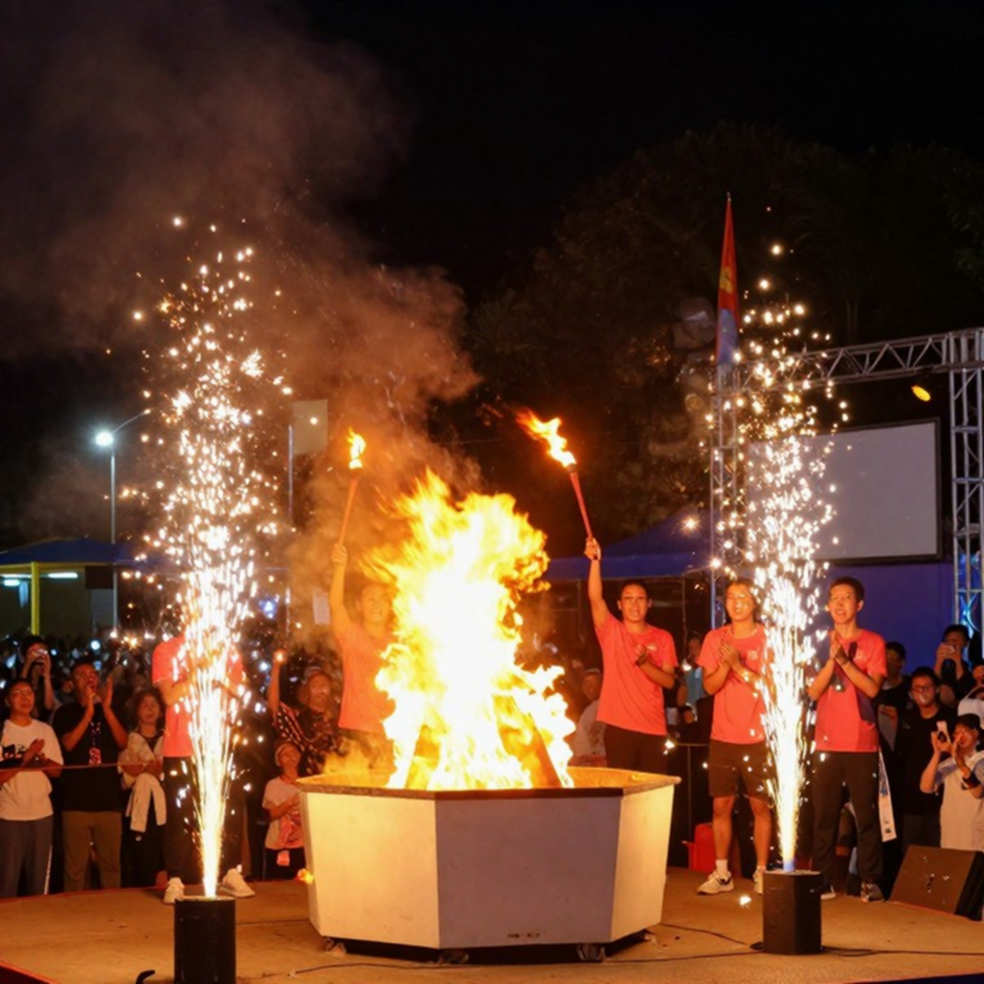
The biggest technical question is close-out ability, because that's what failed in the second game. Losing 20-22 after leading 17-16 is the most probable cause of defeat against a low-error opponent. If the same 17-16 arrives Sunday, I want to see whether the shot selection changes.
Do the data show Sindhu is coming back?
Yes, but the level needs clearing up. Two finals and one title in the 2026 season — a strong season for a 31-year-old. Both finals are Super 750 level, and by the report's own counting there is no Super 1000 final in 2026. This is a direct inference: she is converting against the 8-20 ranked field, not yet against the top-4. That's not an insult to the season — a comeback at 31 — but Sunday's match stands on that gap.
In ranking-points terms, this final helps the World Tour Finals race (season top-eight). Whether it lifts her into a protected top-8 bracket, the report doesn't say and I won't add it. The 2026 season sits outside the LA 2028 Olympic qualification window, so no team-quota pressure exists yet.
The data missing from the report are the most important
Here's the biggest gap and I'll say it plainly. The head-to-head is 0-10. That's not an ordinary record; it signals a persistent stylistic problem. But the report doesn't say what those ten losses looked like — one-sided, or three-game battles decided on the last points? That information would have been the most valuable thing before the final, and it's absent.
Two meetings have already happened in 2026. Meaning the most recent evidence is also negative. I won't say Sindhu can't win — in badminton, zero gets broken — but I will say that after ten straight losses, the word 'suddenly' should be avoided. The story sold to us as an 'upset' will actually be the eleventh chapter of a decade-long stylistic problem.
If Sindhu beats the World No. 1 on Sunday, it won't be surprising to me, it will be interesting — because then the question becomes what the coaching team did differently that they didn't do across ten matches. And if she loses, the question won't be 'Sindhu is finished', it will be what shot was chosen at 17-16.
My biggest fear: 73 minutes and 24 hours
What worries me most after this match isn't a score, it's a schedule. A 73-minute three-game semifinal, a 31-year-old player, and the final tomorrow. For a tall power attacker, the physical cost of long matches is different — height gives a smash point, the same height also charges for every lunge and recovery in a long rally. I saw this a lot in my sports-science days, and here I can't go beyond inference because there's no rally-length data.
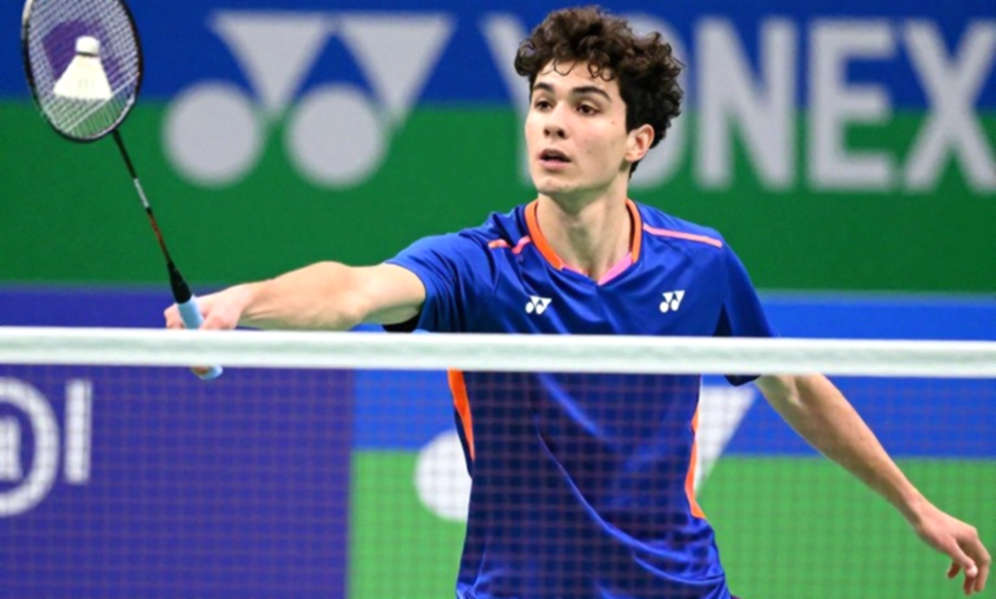
But the question must be asked: if the second-game dip came from fatigue, the same dip will return in tomorrow's third game. And if it was mental, the coaching bench has one night to fix it. The report doesn't tell the difference, and that's why I can't bet on it.
What no one will write
The media tomorrow morning can write two kinds of stories. If Sindhu wins, it will be 'proving everyone wrong at 31'. If she loses, it will be 'no shame in losing to World No. 1'. Both stories will avoid the numbers. I want a third story written — one that counts shot selection at 17-16, one that says what happens in 24 hours after 73 minutes, one that admits ten straight losses don't mean ten different reasons but one persistent structure.
I wasn't there. But I have the scoreline, and the scoreline is still rejecting the word 'outclassing'. Sunday's final will answer it — and if the answer comes at 17-16 in the third game, I won't miss it.